September 20, 2026
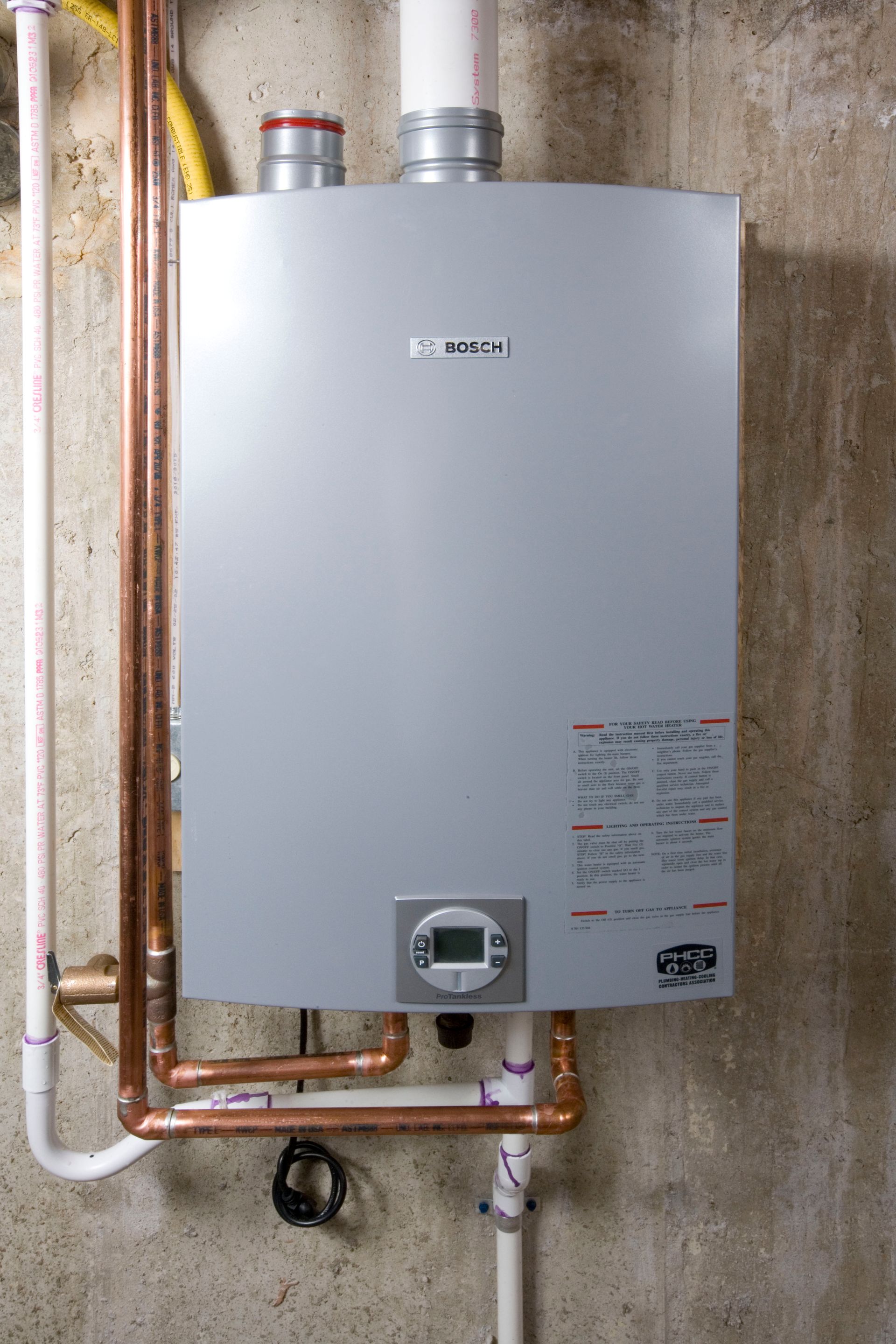
Tankless water heaters offer an efficient way to have on-demand hot water in your home. However, before you make the switch from a traditional water heater, it's important to consult with a plumber. Here are the critical questions you should ask to ensure a hassle-free installation. This article will guide you through key considerations, ensuring your new system is both efficient and sustainable. Understanding these factors can help you avoid common pitfalls associated with tankless water heaters.
1. What Size Tankless Water Heater Do I Need?
One of the first steps in tankless water heater installation is determining the correct size. Proper sizing is crucial to ensure the heater can meet your household's hot water demands. An undersized unit may struggle to provide sufficient hot water, causing frustration and inconvenience. Conversely, an oversized unit may result in wasted energy and higher utility bills. Discussing sizing requirements with your plumber is essential for optimal performance.
Proper sizing involves understanding the peak demand for hot water in your home. If your household has multiple bathrooms or appliances that require hot water simultaneously, your heater must accommodate such usage. A professional plumber can help you calculate your household's flow rate and determine the correct size. This ensures a consistent hot water supply even during peak usage times. Additionally, it prevents unnecessary wear and tear on your unit, prolonging its lifespan.
Incorrect sizing can lead to various problems, including inadequate heating and increased energy consumption. A right-sized tankless water heater can provide sufficient hot water without the excessive use of energy. According to HomeGuide, switching to a new tankless water heater can reduce energy costs by 8% to 34%. This makes it critical to prioritize proper sizing during the installation process. With expert guidance from a plumber, you'll ensure your heater meets your household's needs effectively.
2. Are My Current Plumbing and Gas Lines Adequate?
Before installing a tankless water heater, evaluating your existing plumbing infrastructure is paramount. The decision to switch may require modifications to accommodate the new system. Your plumber will assess the current state of pipes and connections, determining whether upgrades or replacements are necessary. This inspection ensures the safe and efficient operation of the new heater. Discussing these details with a skilled plumber helps prevent complications and ensures a seamless installation.
Your current gas lines must also be considered, particularly if switching from electric to gas. Tankless systems often require a higher flow rate, necessitating larger gas pipes for adequate performance. Ensuring compatibility between your heater and existing gas lines is essential for safety and efficiency. A plumber can determine if your home's infrastructure supports these requirements or if upgrades are necessary. Proper assessment and modification prevent potential safety hazards.
Older homes may face compatibility challenges when installing modern tankless systems. Electrical upgrades might be needed to meet the demands of a tankless heater. Such enhancements can involve costs for rewiring or breaker enhancements. Addressing these issues before installation will ensure your home can support the new system reliably. Alleviating these concerns with your plumber can avoid costly mistakes in the long run.
3. What Brand and Model Should I Choose?
Choosing the right brand and model involves consideration of specific features that suit your needs. Energy efficiency, capacity, and technological advancements are critical factors to consider. Some brands offer additional features like remote control operation, which can enhance convenience and ease of use. Communication with your plumber can help pinpoint which features are vital for your household. This ensures that your investment aligns with both budgetary and functional requirements.
Reputable brands are known for their reliability and quality, ensuring better performance over time. A plumber's expertise can aid in evaluating brand reputation and customer reviews for informed decisions. Trusted brands provide warranties and customer support, important considerations for long-term satisfaction. Examining these factors can lead to a more satisfying experience with your tankless water heater. Energy Star ratings, for example, can be a decisive element in your choice, offering assurance of energy-efficient operation.
Balancing cost and value is an integral part of selecting the right brand and model. While some models may have higher upfront costs, their long-term savings on energy bills may make them more financially attractive. Your plumber can guide you in evaluating cost-effectiveness regarding initial expenditure versus potential energy savings. A comprehensive discussion ensures that your choice reflects both your immediate and future priorities.
4. How Will the Installation Impact My Home?
Installing a tankless water heater presents opportunities to reconsider space and aesthetics in your home. Tankless models are often more compact than traditional tanks, offering flexibility in installation locations. Discussing aesthetic preferences with your plumber can align this new system with your home's design. Considering where to place the heater for optimal space utilization is advisable. This approach ensures functionality without compromising the visual appeal of your living spaces.
Ventilation is a crucial factor in the successful operation of a tankless water heater. Poor ventilation can result in inefficiency or safety hazards. Ensuring that installation spaces meet ventilation requirements is an important safety measure. Plumbers can provide recommendations on optimal placement to comply with these needs. Having these conversations before installation minimizes the likelihood of future inconvenience or regulatory issues.
Understanding the noise levels produced by your tankless water heater can impact installation decisions. While generally quieter than traditional heaters, some units still generate noise that may be disruptive. Discussing noise-reducing options or alternative placements can address this concern with your plumber. Ensuring energy source compatibility also impacts environmental considerations, aligning with eco-friendly practices. Careful planning during installation ensures that these impacts align with both personal and ecological priorities.
5. What Are the Safety Precautions and Regulations?
Safety precautions and compliance with local building codes are paramount when installing a tankless water heater. Plumbers help ensure the installation meets regional guidelines and adheres to safety standards. Understanding these regulations can prevent potential legal complications and ensure household safety. Determining specific safety features within the tankless system is also crucial. A thoughtful approach to compliance integrates safety as a non-negotiable aspect of installation.
Safety features native to tankless systems include thermostatic controls and automatic shutoff functions. Discussing these features with your plumber enhances understanding of safety mechanisms within your chosen model. A professional can ensure the system operates without hazards. This emphasis aligns with secure and sustainable household practices.
Long-term safety involves ongoing evaluation and maintenance to ensure continuous compliance. Regular inspections by professionals can identify potential hazards that emerge over time. Hazard prevention measures extend beyond installation, considering the durability and proper usage of the system. Consulting with a plumber about reliable safety practices strengthens your commitment to a safe home environment. This proactive strategy underscores the importance of consistent safety in household utilities.
By asking these insightful questions, you will be well-prepared to make an informed decision on installing a tankless water heater. Proper planning and consultation with your
plumber can ensure that your new system meets your household's needs efficiently and safely, paving the way for a reliable and eco-friendly energy source. Understanding the nuances of sizing, installation, and maintenance can help prevent potential obstacles. Aligning with expert guidance makes for a capable and economical shift to tankless heating solutions. This transition promises a more sustainable and efficient approach to fulfilling your home's hot water needs. If you're interested in a tankless water heater, reach out to Brad Co. Plumbing & Heating today for more information!